
Touring Engine FAQ for Reading, PA Riders — Milwaukee-Eight® 117 vs Milwaukee-Eight® VVT 121
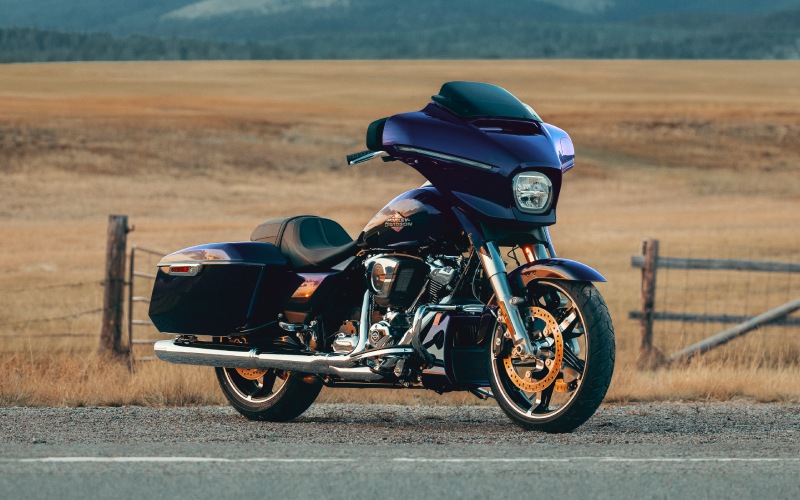
Eisenhauer's York Harley-Davidson® - Touring Engine FAQ for Reading, PA Riders — Milwaukee-Eight® 117 vs Milwaukee-Eight® VVT 121
Riders around Reading, PA often ask which powerplant better suits their touring style: the Milwaukee-Eight® 117 found on the latest batwing baggers or the Milwaukee-Eight® VVT 121 that headlines the CVO™ models. This guide breaks down how each engine feels on the road, which kind of rider it serves best, and what to consider as you plan your next long-distance setup. We will also touch on how these engines complement aerodynamics, suspension, and modern electronics, because the right choice blends power with the rest of your package.
At a glance, both engines are designed for sustained highway cruising and confident roll-on passing power, but the way they deliver that performance differs. The Milwaukee-Eight® 117 is tuned for immediate, tractable torque with liquid-cooled cylinder heads to keep temperatures in check during summer heat or stop-and-go stretches. The Milwaukee-Eight® VVT 121 adds variable valve timing, dynamically shifting valve events across the rev range, translating to a wider, more responsive band of power. It is a difference you feel with a snappier response in mixed riding and exceptional stamina when loaded for travel. Below, we outline considerations to help you choose with clarity.
- Throttle character: The Milwaukee-Eight®117 favors smooth, predictable delivery; the Milwaukee-Eight® VVT 121 with VVT brings a stronger midrange surge.
- Heat management: Both use liquid-cooled heads for consistency in traffic and hot weather.
- Touring load-out: If you ride two-up with full bags often, the Milwaukee-Eight® VVT 121’s broader powerband shines; the Milwaukee-Eight® 117 remains composed and capable for daily and weekend touring.
- Chassis pairing: Inverted forks and premium braking on CVO™ models extract more from the Milwaukee-Eight® VVT 121; the Milwaukee-Eight® 117 pairs perfectly with balanced touring geometry and easily adjustable rear preload.
- Audio and tech: Stage II systems and Skyline™ OS on CVO™ amplify the Milwaukee-Eight® VVT 121’s premium feel; the Milwaukee-Eight® 117’s 12.3-inch TFT and integrated audio deliver straightforward control and clarity.
For many riders, the Milwaukee-Eight® 117 is the sweet spot—muscular, reliable, and relaxed at cruise, with selectable Ride Modes to tailor response for rain or open highway. It thrives on everyday versatility and long-haul stability without demanding constant attention. Riders who prefer an elevated experience out of the box gravitate to the Milwaukee-Eight® VVT 121. Variable valve timing preserves calm manners at low rpm yet wakes up instantly when asked, matching perfectly with top-shelf suspension and audio systems for a consummate long-distance machine.
- Map your use-case: Daily commuting, weekend trips, or multi-state touring with luggage each place different demands on an engine.
- Consider your comfort baseline: If you prioritize predictable torque and a calm demeanor, the Milwaukee-Eight® 117 is highly satisfying.
- Decide on chassis priorities: If you want the most steering precision and braking confidence from the start, the Milwaukee-Eight® VVT 121’s typical CVO™ pairing unlocks its full benefit.
- Think about cockpit experience: Audio immersion and connected navigation features can sway riders who want a premium interface on every ride.
Frequently Asked Questions:
How do the Ride Modes interact with these engines?
Ride Modes adjust throttle response and, depending on configuration, engine braking and other parameters. On both engines, Road, Sport, and Rain (plus a customizable mode) let you match the power delivery to conditions. The Milwaukee-Eight® VVT 121’s broader powerband means the differences between modes can feel more pronounced, especially in Sport versus Road.
Is there a noticeable difference in heat on long rides?
Both engines feature liquid-cooled cylinder heads to manage heat effectively. In practice, either setup stays composed during summer traffic and prolonged climbs. Your gear, airflow from the batwing fairing, and ride pace will influence perceived heat more than the specific engine in most conditions.
What chassis upgrades typically accompany the Milwaukee-Eight® VVT 121?
Flagship models with the Milwaukee-Eight® VVT 121 often include inverted front forks, premium braking components, and advanced audio. This complement of hardware helps translate the Milwaukee-Eight® VVT 121’s performance into real-world confidence, especially under hard braking and during quick transitions.
Will the Milwaukee-Eight® 117 feel underpowered if I ride two-up with luggage?
No. The Milwaukee-Eight® 117 is built for touring loads and retains strong roll-on power, particularly with correct rear preload. If you consistently ride fully loaded and prefer extra passing authority at any speed, the Milwaukee-Eight® VVT 121’s wider powerband is a compelling upgrade.
Do I need advanced audio to enjoy long trips?
Not at all. The integrated fairing audio on touring models is clear and capable for daily use. Premium Stage II systems simply elevate volume headroom and clarity, which some riders appreciate at interstate speeds or when running open-face helmets.
Choosing between these two engines is ultimately about how you like a motorcycle to respond. If you prefer effortless torque with a calm, confident rhythm, the Milwaukee-Eight® 117 is a perfect match. If you want a powerband that flexes wider with chassis components that invite spirited riding, the Milwaukee-Eight® VVT 121 is worth the step up. Eisenhauer's York Harley-Davidson® offers expert guidance and personalized setup, serving Lancaster, Reading, and Chambersburg with insight that connects the right engine, chassis, and cockpit to the roads you ride most.